
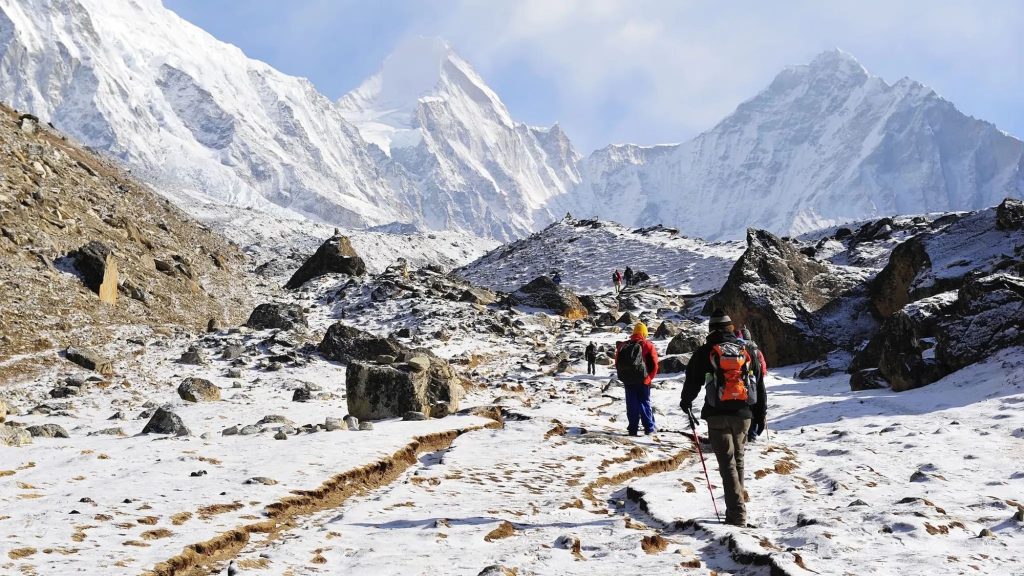
Is it too ambitious to set out for the world’s highest mountains in the Himalayas? Trekking in Nepal is an adventure worth taking. Because the journey can be risky, this guide covers how to choose a route, the best times to go, what to pack, permits and visas, safety, and more—so you can push past your limits and reach your goal with confidence.
1. Best Time to Trek
You can hike in Nepal year-round, but most travelers choose autumn and spring. If it’s your first time, plan for one of these peak seasons. Trails will be busier, but conditions are generally safer.
Autumn (October–November)
This is the prime trekking season. Expect clear mountain views, sunny skies, mild temperatures, and little rain. The trade-off is heavy foot traffic and crowded teahouses along popular routes, especially Annapurna Base Camp (ABC). If you plan to do the ABC corridor, consider avoiding these two months to escape peak congestion.
Spring (March–April)
The second peak—and arguably the most beautiful—season. Snow melts on high passes and giant rhododendrons bloom along the hillsides. Air is cool, and wildlife viewing can be excellent. Downsides include busier paths and hazier skies that may obscure views at lower elevations; visibility usually improves as you climb higher.
Other Seasons
Outside the peaks, trails are quieter and prices lower, but risks increase.
- Winter (December–February): Crisp, clear days are possible, yet bitter cold, short daylight, and harsh storms can derail plans. Many high routes become impassable due to heavy snow.
- Monsoon (May–September): Rain and wind bring landslides and erosion, making trekking difficult and dangerous. It’s also hot and humid, and clouds often cloak the mountains.
2. Which Trekking Route Should I Choose?
Ask yourself how many days you have, your maximum comfortable altitude, fitness level, and the landscapes you most want to see. Below are the most popular routes and what to expect.
Everest Base Camp (EBC)
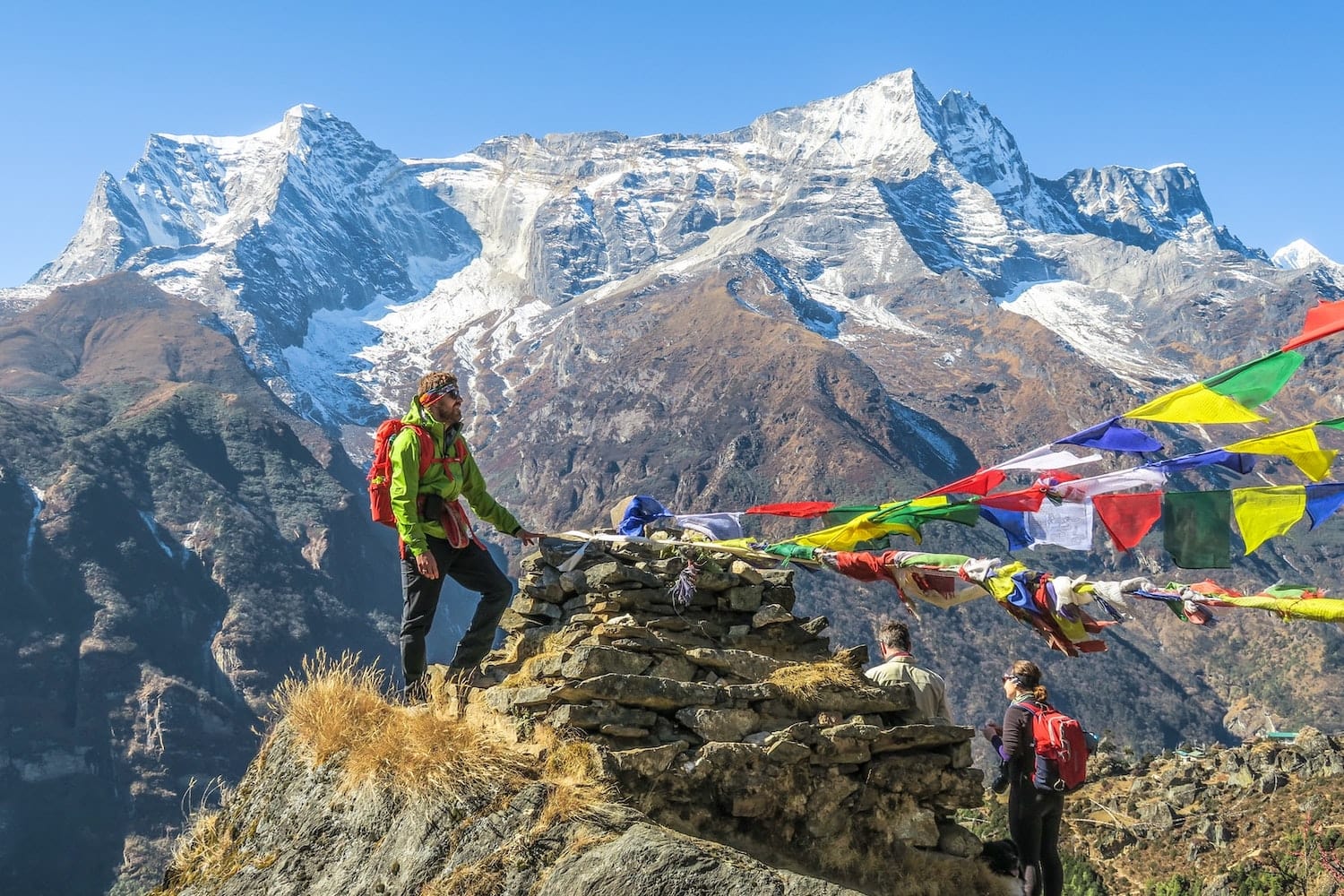
Duration: 14–16 days | Difficulty: Hard | Best: Mar–Apr, Oct–Nov
The classic, challenging route follows in the footsteps of legendary climbers. From nearby Kala Patthar, you’ll get a commanding view of Everest and the Khumbu giants.
Annapurna Circuit
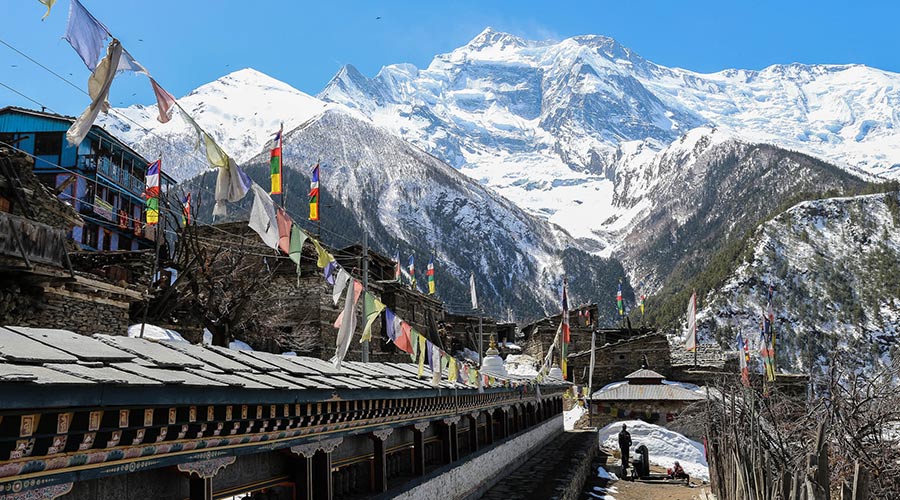
Duration: 12–16 days | Difficulty: Moderate to Hard | Best: Mar–Apr, Oct–Nov
A crowd favorite for its diversity: dramatic mountain scenery, strong Tibetan cultural influences, and one of the world’s highest trekking passes, Thorong La. Many trekkers also add Lake Tilicho, among the highest lakes on Earth. Compared with ABC, the walking can feel gentler and the panoramas broader.
Annapurna Base Camp (ABC)
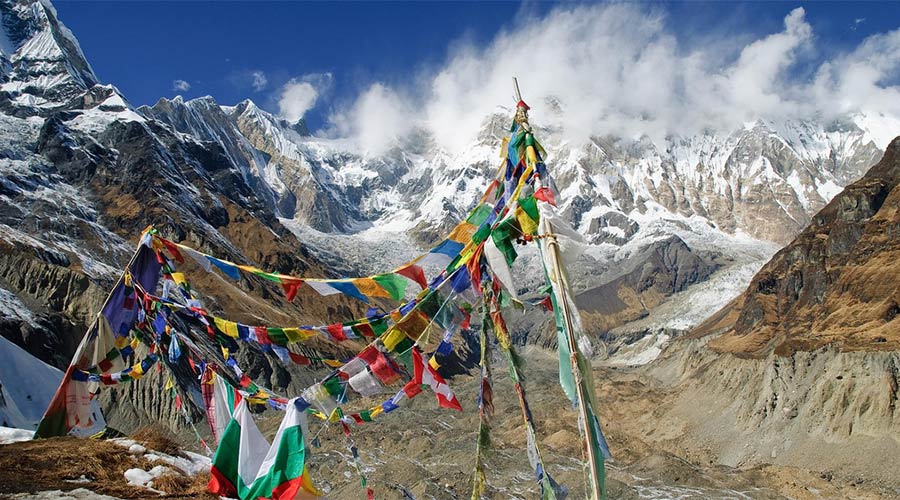
Duration: 7–10 days | Difficulty: Moderate | Best: Mar–Apr, Oct–Nov
Great for those with limited time who still want the full Nepal trekking experience. Elevations are lower than on other marquee routes, which reassures hikers concerned about altitude, though it’s still busy in peak season.
Everest Three Passes Loop
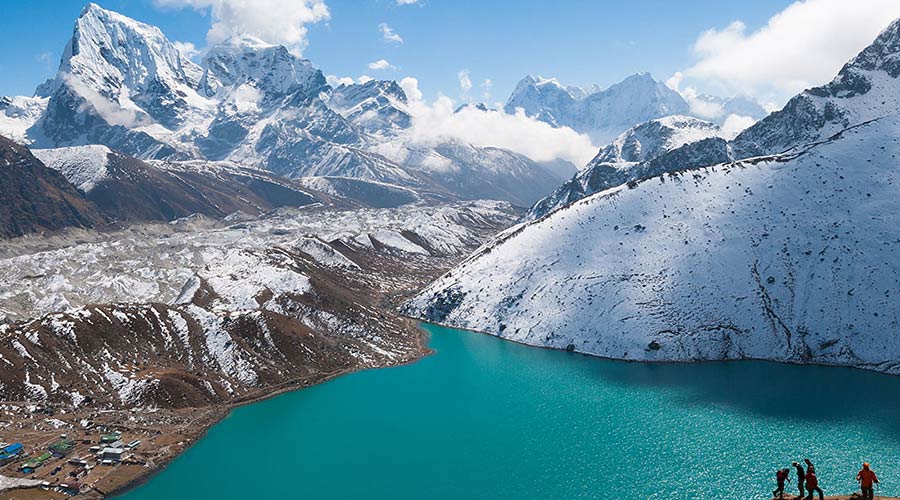
Duration: 18–20 days | Difficulty: Hard | Best: Mar–Apr, Oct–Nov
A spectacular circuit for strong, experienced trekkers with ample time. It weaves together highlights of the EBC and Gokyo valleys via three high passes. Demanding but unforgettable.
Langtang Valley
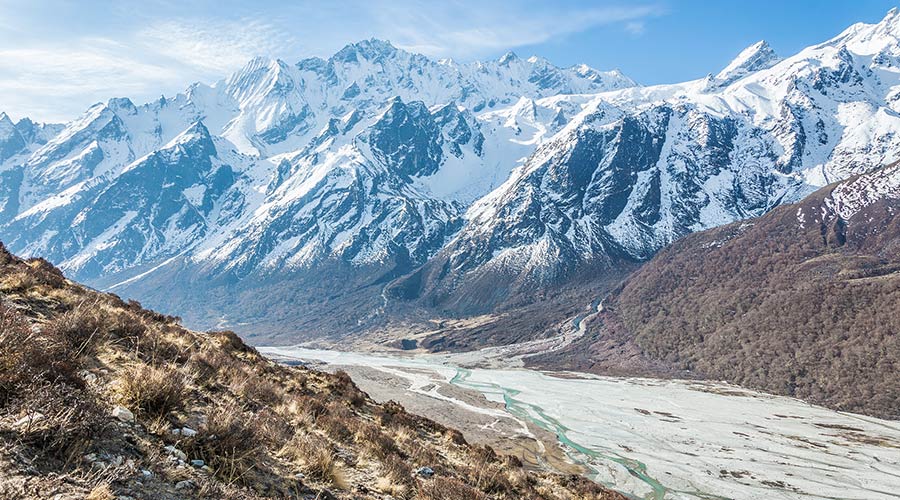
Duration: 7–9 days | Difficulty: Moderate | Best: Mar–Apr, Oct–Nov
Popular yet typically less crowded than the Everest and Annapurna hotspots. Close-up Himalayan views, Tibetan-influenced culture, and varied landscapes make this a rewarding alternative.
Manaslu Circuit
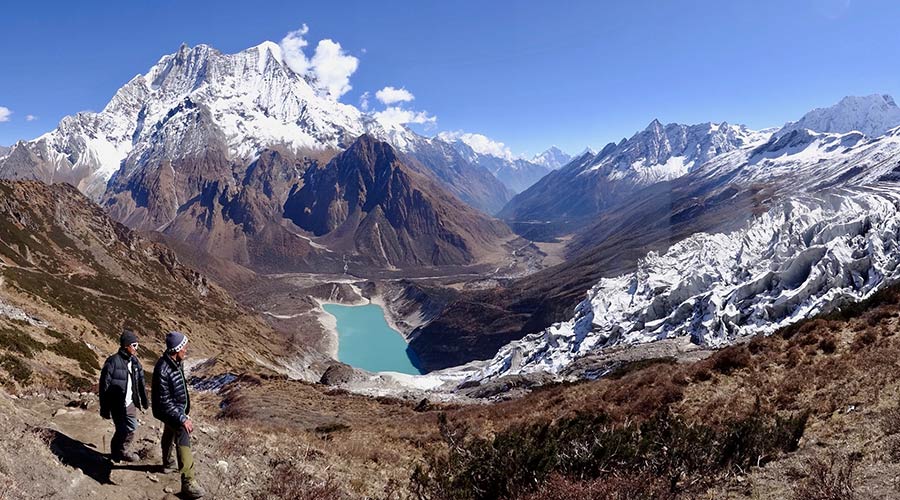
Duration: 16–18 days | Difficulty: Moderate to Hard | Best: Mar–Apr, Oct–Nov
Combines rugged mountain scenery with rich Tibetan heritage. It’s gaining popularity, but still feels quieter than EBC or Annapurna. If time allows, add the remote Tsum Valley for an even deeper experience.
Gokyo Lakes
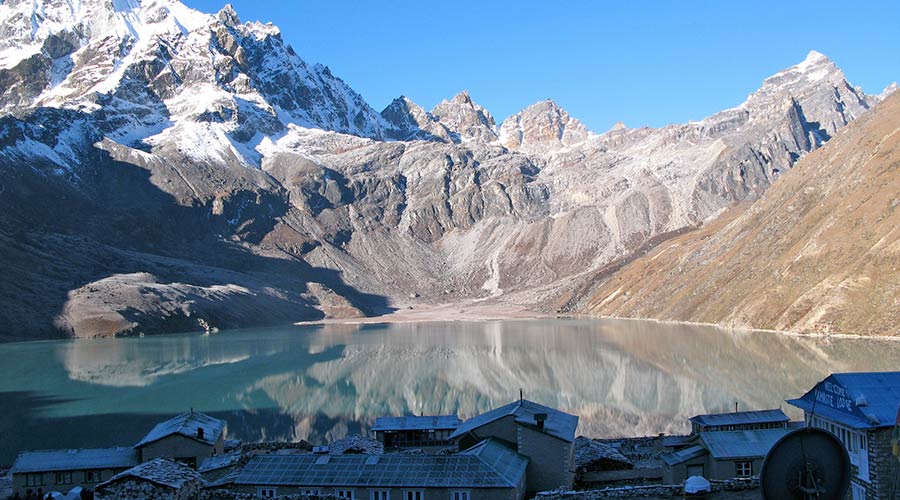
Duration: 10–12 days | Difficulty: Moderate to Hard | Best: Mar–Apr, Oct–Nov
Ideal if you want Everest-region vistas without the crowds at EBC. The viewpoint on Gokyo Ri is one of the finest panoramas in the Himalaya.
Upper Mustang
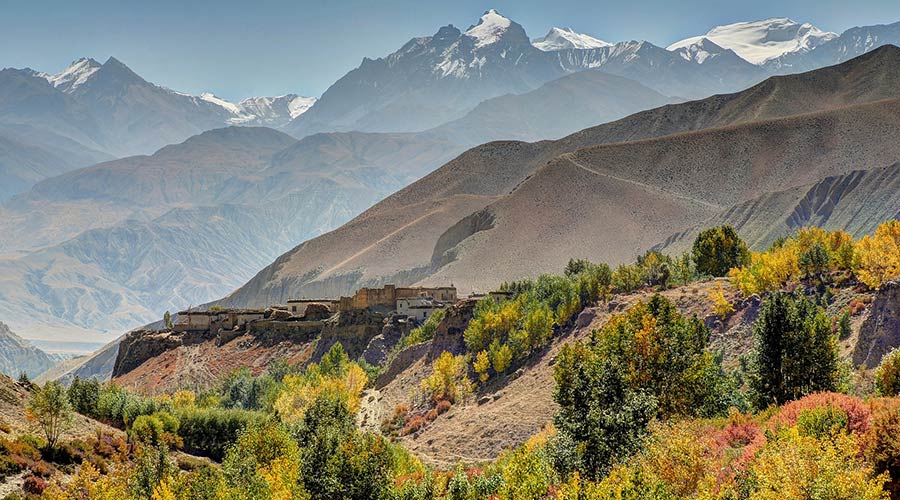
Duration: 10–12 days | Difficulty: Moderate to Hard | Best: May–October
A striking blend of Himalayan and Tibetan landscapes, often ranked among Nepal’s most scenic treks. Dramatic desert valleys, walled settlements, and a unique culture set it apart.
Poon Hill
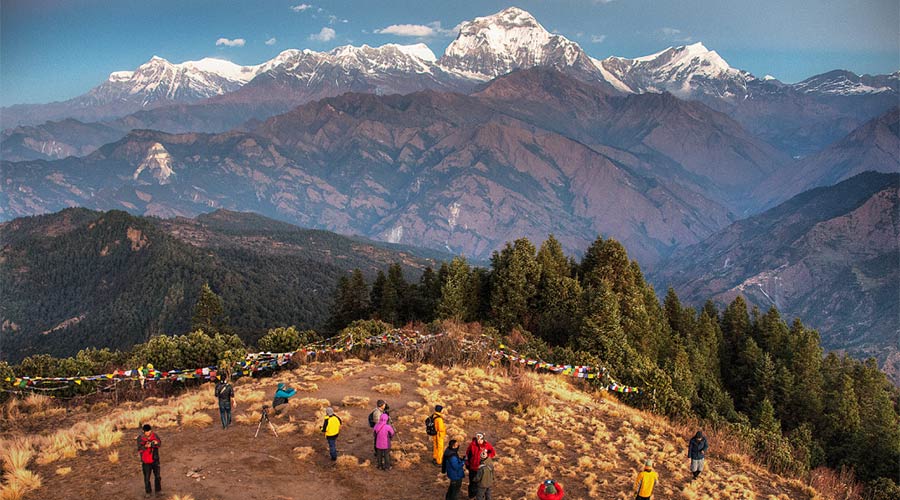
Duration: 4–5 days | Difficulty: Easy (with lots of stairs) | Best: Mar–Apr, Oct–Nov
Short, accessible, and famous for sunrise views over the Annapurnas and Dhaulagiri. Expect a workout—those staircases are relentless—and crowds in peak months.
3. What Challenges Should I Expect?
Difficulty varies with your experience, fitness, pack weight, and the weather. Most classic Nepal treks are non-technical—no ropes, ice axes, or crampons—yet they can be strenuous. Expect tough days and sore legs. Itineraries generally include time to adapt and recover.
Hiring a porter to carry heavier items can make a huge difference, opening trails to more travelers, including many in their 50s, 60s, and even 70s.
4. How to Prepare Physically
Seasoned hikers will adapt faster, but beginners can still manage with preparation. Six to eight weeks before your trip, run or fast-walk at least twice a week and climb stairs regularly. If possible, do weekend hikes in your home country a few months prior. Aim for steady sessions of 10–15 minutes up and down stairs—your trek will include plenty of them.
5. Do I Need a Guide?
It depends on experience and personal preference. Confident hikers on well-trod routes (Annapurna Circuit, EBC, etc.) often go independently, but guides add safety, logistics support, and cultural insight.
Benefits of Hiring a Guide
- Handles pre-trip paperwork (permits, fees).
- Arranges transport and lodging along the way.
- Manages route-finding, daily schedules, and safety.
- Shares local knowledge on religion, culture, and food.
- Provides encouragement and practical help when you’re tired.
Benefits of Trekking Independently
- Lower overall cost.
- Full control over pace and side trips.
- More spontaneous interactions with locals.
- Greater flexibility in where you sleep and eat (though guides often know the best spots).
If you’re unsure about your preparation or worried about safety, consider hiring a guide or at least a porter. For remote forests or hazardous areas, a guide may be required. Solo trekkers should carry accurate maps, valid permits, and a reliable guidebook before leaving Kathmandu or Pokhara.
6. Guides & Porters
For first-timers on longer routes with heavier loads, hiring both a guide and a porter is wise. Typical rates are about US$20–25 per day for a guide (per group, not per person) and US$15–20 per day for a porter. Guides focus on logistics, information, and safety; porters carry bulky gear so you can hike with a light daypack. A single porter commonly carries up to 30 kg for 2–3 trekkers.
If you hire support, choose an English-speaking guide and pack only what you truly need. Tipping (often around 15% of their pay) is customary if you’re satisfied. Hand tips directly to each person.
7. Trekking Safely in Nepal
- Learn about Acute Mountain Sickness (AMS) (see below). Ascend gradually, hydrate well, and listen to your body.
- Helicopter evacuation is uncommon and avoidable for most with smart acclimatization, but adequate travel insurance that covers high-altitude trekking and evacuation is strongly recommended.
- Avoid hiking alone; team up with a guide or companions on the trail.
- Monitor weather—mountain storms can intensify quickly and be life-threatening.
- Carry a basic first-aid kit and the “ten essentials.”
- Leave a detailed itinerary and emergency contacts with someone you trust; keep key numbers on a card in an easy-to-find pocket.
- When yaks or mules pass, step to the inside of the trail away from drop-offs.
- Theft is uncommon but possible; watch valuables, especially in busy lodges.
- Drink plenty of water and carry a purifier or filter.
- Stay on the main path and be cautious near landslide zones; ask guides or locals if a crossing looks risky.
8. Altitude Basics
Nepal’s trails are perfect for gaining elevation gradually, but AMS is serious. Don’t ignore symptoms or take reckless shortcuts—severe cases can be fatal. Most trekkers experience only mild issues if they acclimatize properly. Know the signs, ascend slowly, and be prepared to stop or descend if needed.
9. Food on the Trail
Teahouse menus are simple and similar from village to village. Staples include dal bhat (lentils and rice), momos (dumplings), pasta, rice dishes, soups, pizzas, occasional yak steak, and apple pie. Comfort favorites like macaroni with cheese and vegetable soups are common.
Prices rise with distance from the road because supplies are hauled in by yak or mule. Carry snacks such as chocolate, nuts, and energy foods for long stretches between villages.
If booking through an organizer, clarify whether meals are included. Prepaid plans are convenient and reduce the need to carry cash; paying per meal can be cheaper if you prefer total flexibility.
10. Drinking Water
Water sources are plentiful, but must be treated. Popular options include purification tablets, UV sterilizers, and portable filters. Bottled water is sometimes available at teahouses, but minimizing single-use plastic is better for the environment.
Carry at least 1–2 liters while hiking and refill often. Hydration becomes even more important at higher elevations. Hot tea is a great way to stay warm and well-hydrated in cold weather.
11. Money Matters
ATMs are rare on the trail, and teahouses typically accept cash only. Budget at least US$30 per person per day for meals and lodging, then add extra for treats like chocolate, tea, beer, Wi-Fi, hot showers, small gifts, gear replacements, or unexpected transport.
Charging electronics is usually paid: commonly US$2–5 for a full charge, more in remote areas. Hot showers often cost US$3–5 and may be unreliable; many trekkers bring wet wipes for quick clean-ups.
12. Transportation
Road conditions can be rough with potholes and traffic delays. Intercity buses operate but are often slow and uncomfortable. If short on time or prone to motion sickness, consider booking domestic flights well in advance.
Within cities, taxis are common but meters are rare. Agree on the fare beforehand and check distances to avoid overpaying.
13. Trekking Permits
If you join an organized trek, paperwork is typically handled for you. Independent trekkers must secure the proper permits and pay the required fees and insurance before departure.
Most hikers need a TIMS card (Trekkers’ Information Management System), which costs around US$20 is obtainable from official tourism offices in Kathmandu or Pokhara. Many regions also require separate entry permits (commonly US$20–30, depending on the area). Arrange permits ahead of time to streamline your start.
14. Phones & Wi-Fi
Connectivity is improving along popular routes, though speeds are slow and outages are frequent. Some teahouses offer Wi-Fi; local SIMs can get sporadic reception depending on the region and provider. Coverage remains limited in remote areas; temper expectations and plan to be offline at times.
15. Visa
Most travelers can obtain a visa on arrival at the airport by completing the form and paying in US dollars. Typical fees: US$25 for 15 days, US$40 for 30 days, US$60 for 90 days.
16. What to Pack
Below is a practical checklist based on trial experience. Rent or buy in Kathmandu or Pokhara if you prefer to travel light; essentials like sleeping bags, warm layers, trekking shoes, and poles are widely available at lower prices than in many other countries.
Clothing
- Trekking pants (zip-off optional)
- T-shirts
- Long-sleeve base layers or light fleece
- Waterproof hooded shell
- Sun hat
- Warm hat
- Gloves
- Thermal top and bottom
Accessories
- 30–40L backpack
- Warm sleeping bag
- Trekking poles (recommended)
- Sunglasses
- Chargers and power bank
- Music player or audiobook device
Other Essentials
- Reusable 1L bottles or hydration system
- Water treatment (tablets, UV, or filter)
- Insect repellent
- Basic first-aid kit
- Plenty of cash
- Wet wipes for quick washes
17. Responsible Trekking
- Leave No Trace: pack out all trash; leave only footprints.
- Avoid single-use plastic bottles; use purification methods instead.
- Do not litter—carry a small bag to manage your waste until the next bin.
- Deforestation is a serious issue; choose lodges that use cleaner energy when possible.
- Dress modestly in towns and religious sites. Women should avoid bare shoulders and short shorts; carry a light wrap for temples.
- Avoid public displays of affection; it’s frowned upon in many areas.
- At religious monuments (mani walls, chortens, prayer wheels), pass on the left side and spin wheels clockwise.
- Follow temple rules: remove shoes, dress modestly, keep legs covered, and don’t take photos inside where prohibited.
- Refrain from entering Hindu temples while wearing animal leather items.
- Always ask permission before photographing people, and respect a “no.”
Final tip: Good insurance that covers high-altitude trekking, medical care, and emergency evacuation can be a trip saver. Prepare well, pace yourself, and Nepal’s mountains will reward you with memories that last a lifetime.